Embrace Plant-Based Eating
Every meal is an opportunity to help farmed animals by filling our plates with delicious plant-based foods.

Choose Kindness, Choose Plants
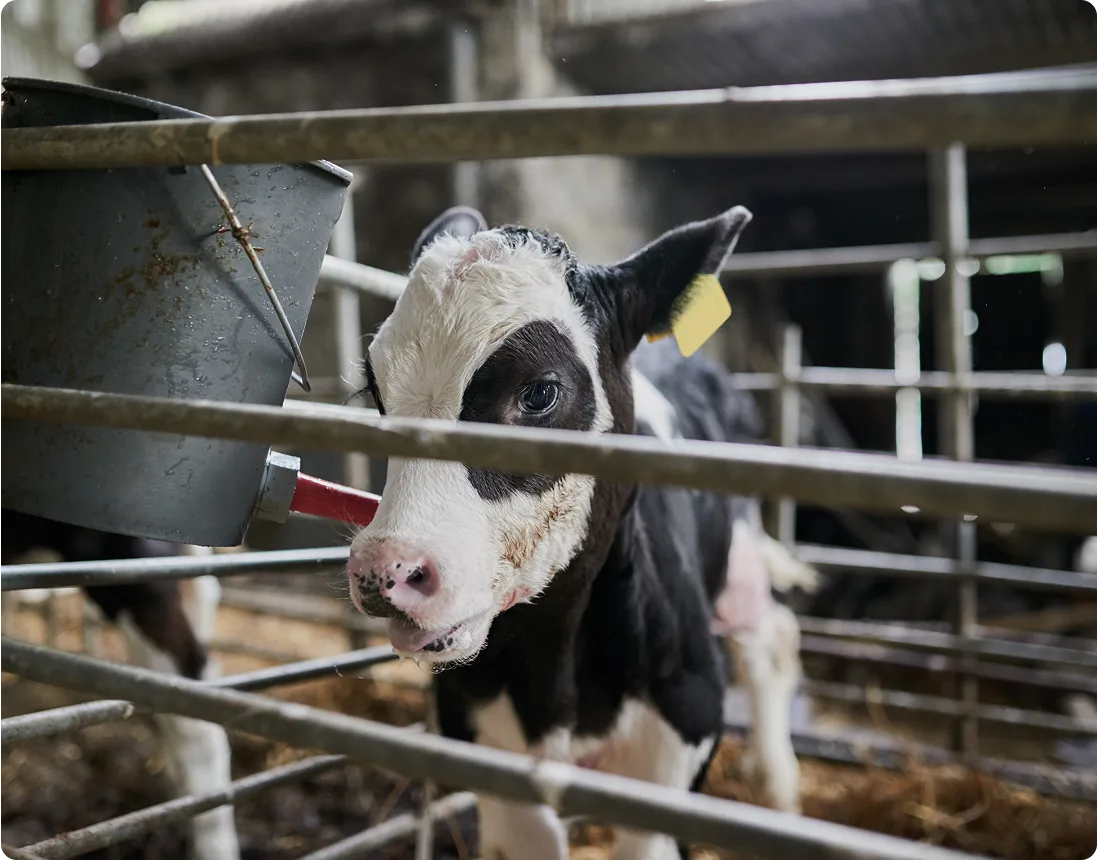
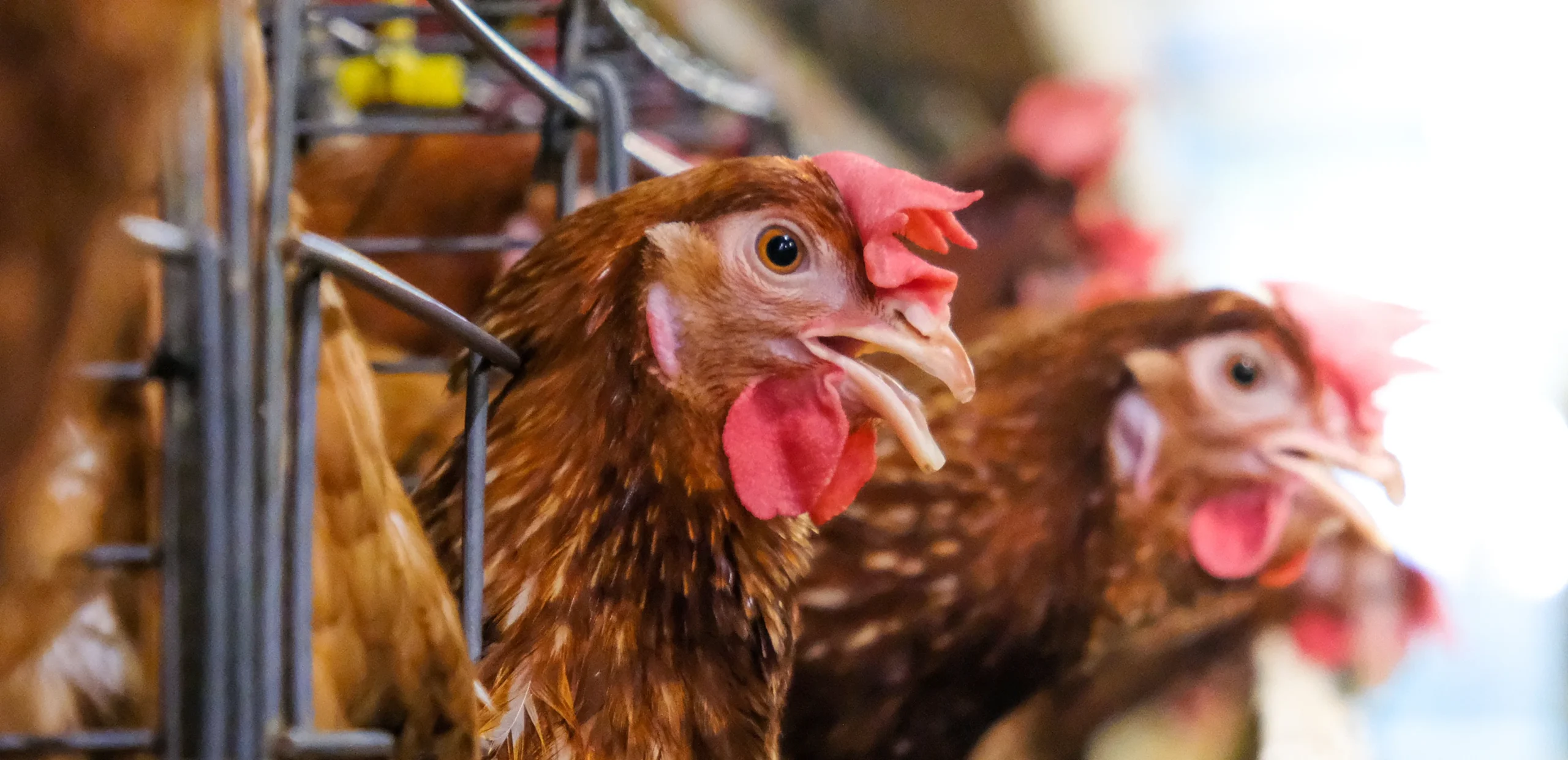
All animals deserve kindness and a life worth living. But billions of farmed animals each year are stripped of everything natural and meaningful to them. Gentle and intelligent, these animals feel emotion and have unique personalities. Yet our industrial farming system crams them into sheds, crates, and cages and gives each a number, not a name.
You can help these smart, sensitive animals get the respect and protection they deserve.
Choose plant-based versions of meat, dairy, and eggs, and pack your plate with Earth-grown staples, such as fruits, vegetables, grains, legumes, nuts, and seeds. This is one of the most powerful ways to protect animals.
Download our free Jom Makan Veg! guide.
Discover the joy of plant-based eating, Malaysian-style.
Thank you for downloading Jom Makan Veg!
By choosing more plant-based foods, you’re helping build a kinder, more sustainable future for farmed animals, people, and the planet.
629 million
Land animals killed for food each year in Malaysia—around 17 per person—compared with the global annual average of about 10.
42.6%
Percentage of the Malaysian diet consisting of animal products compared with the global average of 35.2%
99%
Percentage of land animals slaughtered in Malaysia who are chickens and other farmed birds
Contribute to a Better Planet—for All
Factory farming wastes land, water, and food while pushing us towards climate catastrophe. Worse, as farming operations expand, they decimate forests, driving climate change by releasing the carbon dioxide stored in trees.
Of global cropland, 33% is used for crops to feed farmed animals, an inefficient system that yields five times less animal protein than the plant protein consumed to produce it. The industry continues to use 2,500 gallons of water to produce one pound of beef, while extreme drought could strand six billion people without drinking water by 2050.