Eggs feature heavily in daily meals across Malaysia. Data from the Department of Statistics Malaysia shows that the average Malaysian consumes approximately 224 eggs every year. Yet behind this widespread consumption lies a cruel [barbaric] yet standard practice of industrial animal agriculture that remains largely unknown to many: chick culling.
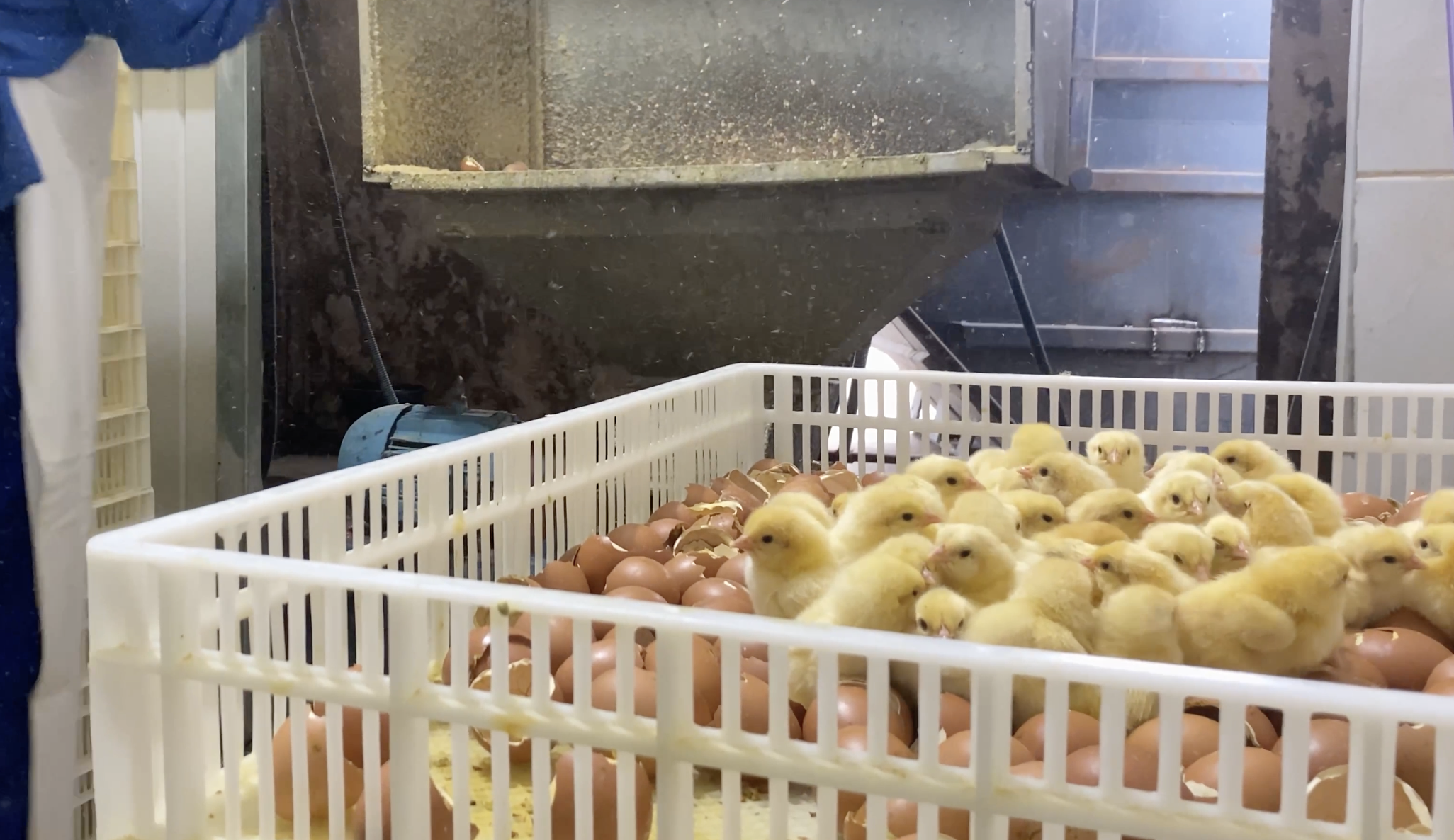
The global egg industry culls an estimated 7 billion male chicks each year. Consumer awareness remains limited regarding this systemic global challenge. Every year, industrial egg production facilities hatch billions of chickens worldwide. Because male chicks cannot lay eggs and do not grow fast enough for meat production, the industry considers them economically unviable, tantamount to trash. Consequently, facilities cull male chicks on their first day of life, often using high-speed maceration machinery or gas suffocation.
Newly hatched chicks have developed nervous systems and fully experience pain and fear. Macerators do not always cause immediate death, prolonging the animals’ suffering.
“Every year, billions of chicks are killed simply because they are born male,” said Arash Yomtobian, president and CEO of Mercy For Animals. “The technology to end this practice already exists. There is no justification for allowing it to continue.”
This practice represents a global industry challenge rather than an isolated issue. Fortunately, technological progress offers a clear path forward for egg producers and animals alike.
Modernization and Innovation: In-Ovo Sexing
Technological progress now provides a humane, efficient solution: in-ovo sexing technology. Instead of allowing eggs to hatch before determining the sex of the chick, this scientific innovation identifies the sex of the embryo inside the egg early in development. Egg producers can then remove male eggs before incubation progresses, preventing billions of male chicks from hatching into a system that has no place for them.
Countries such as Germany and France have already taken action to end the routine killing of male chicks, while Italy has passed legislation banning the practice (with some exceptions) beginning Dec. 31, 2026. These measures, along with the growing use of in-ovo sexing technology, demonstrate that the mass killing of male chicks is not inevitable.
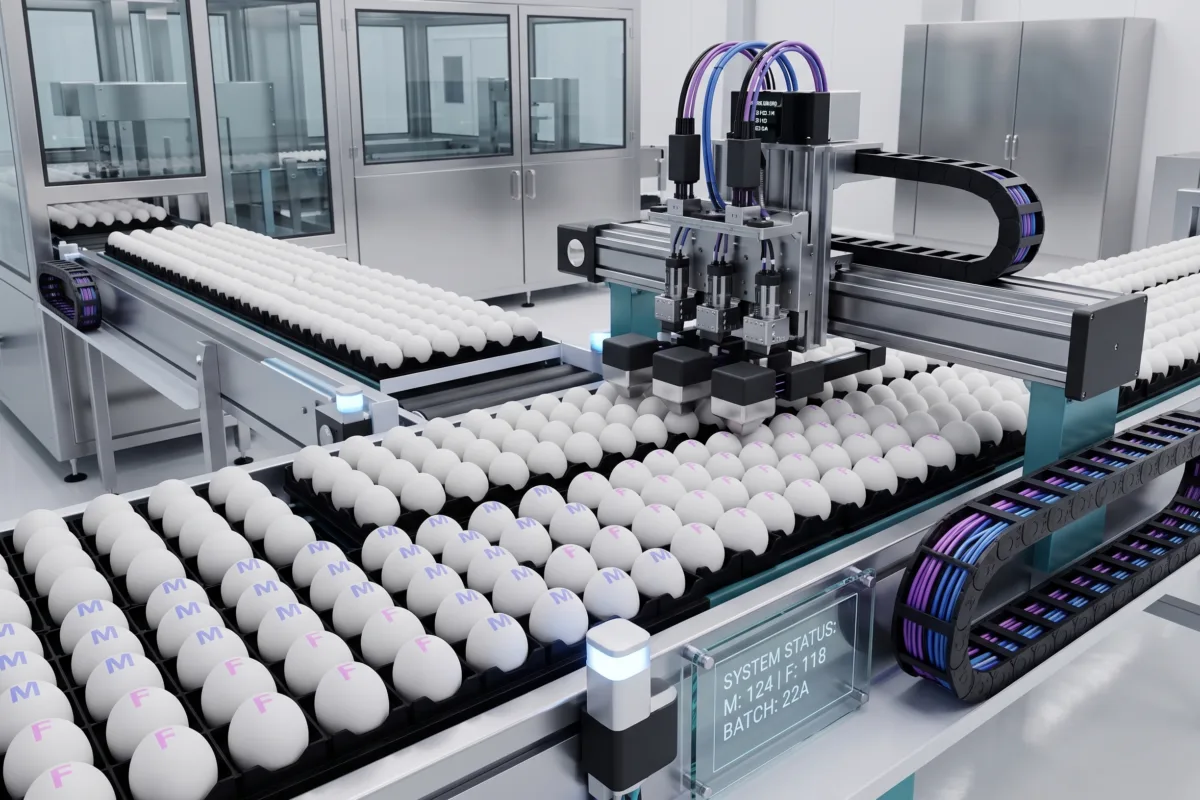
“Given the serious ethical concerns created by traditional chick culling, it is very promising to see the advancements in in-ovo sexing technologies,” said Andrew Knight, veterinary professor of animal welfare. “MRI with AI approaches have achieved more than 99% accuracy, processing times under one second, and costs that average only one cent per table egg. More importantly, these technologies are able to identify male embryos prior to day 13, meaning that they are very unlikely to experience any pain. With hatcheries quickly adopting the technology in Europe and now the United States, we can eliminate chick culling in the near future.”
Building Public Support for Lasting Progress
As hatcheries across Europe and North America implement in-ovo sexing, Malaysia has a powerful opportunity to join this global movement toward modern, innovative practices. By supporting technological progress in industrial animal agriculture, we can spare millions of animals from unnecessary suffering while advancing sustainable solutions.
“Most people have never heard of chick culling, despite the enormous scale of the practice,” Yomtobian said. “Mercy For Animals wants to change that. By helping more people understand what is happening and what alternatives exist, we can build the public support needed to move the industry toward ending chick culling.”
How You Can Make a Difference
Progress requires collective action. As consumers and advocates, we hold the power to shape a more compassionate future for animals by supporting innovation and raising awareness.
Here are meaningful ways we can support this transition:
- Sign the petition: Add your name to support an end to the routine culling of newly hatched chicks.
- Support Modern Solutions: Encourage food business leaders and producers to adopt technology-driven practices that eliminate chick culling.
- Choose Plant-Based Foods: Incorporate versatile plant proteins—such as tofu, tempeh, legumes, and plant-based foods—into daily meals to diversify food choices.
Together, we can accelerate the adoption of high-tech solutions that eliminate chick culling in Malaysia and around the world.
Join Mercy For Animals in our bid to end chick culling.