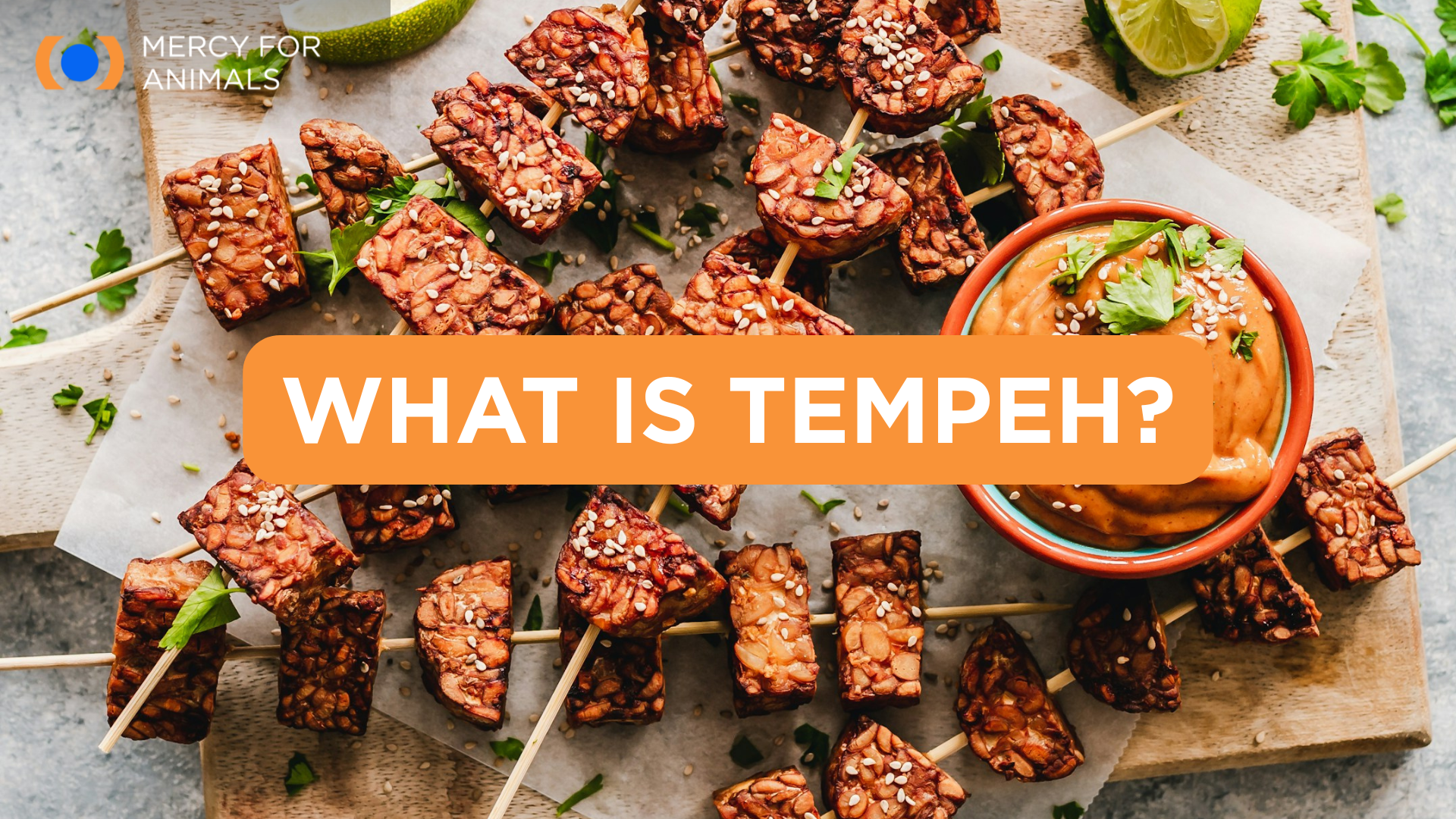
Have you eaten tempeh and wondered, “What is it actually made of?” Unlike tofu, which is made from soy milk, tempeh is crafted from whole soybeans that are bound together into a firm, cake-like form by mycelium (a fungus) produced during fermentation. This process not only imparts a nutty, earthy flavour but enhances its nutritional profile. Most commonly found in Southeast Asia, tempeh is rich in protein, dietary fibre, and essential vitamins, making it a staple in many plant-based diets.
A Brief History of Tempeh
Tempeh has deep roots in Indonesian culture, particularly on the island of Java. The earliest known written reference to tempeh appears in the Serat Centhini, a Javanese manuscript from the early 19th century. It describes tempeh as a common food among the people of Java. Historical evidence suggests that tempeh was consumed even earlier—in the 1700s in Bayat, Klaten, in central Java.
Some scholars, such as food historian Murdijati Gardjito, argue that tempeh predates the introduction of Chinese-style tofu products to Indonesia and that tempeh was made by native Javanese people.
The fermentation process likely originated from the use of leaves, such as those from teak or hibiscus plants, to wrap food. Some leaves naturally harbour Rhizopus mould spores, which are essential for tempeh fermentation. Over time, this accidental fermentation was refined into a culinary practice.
How Tempeh Is Made
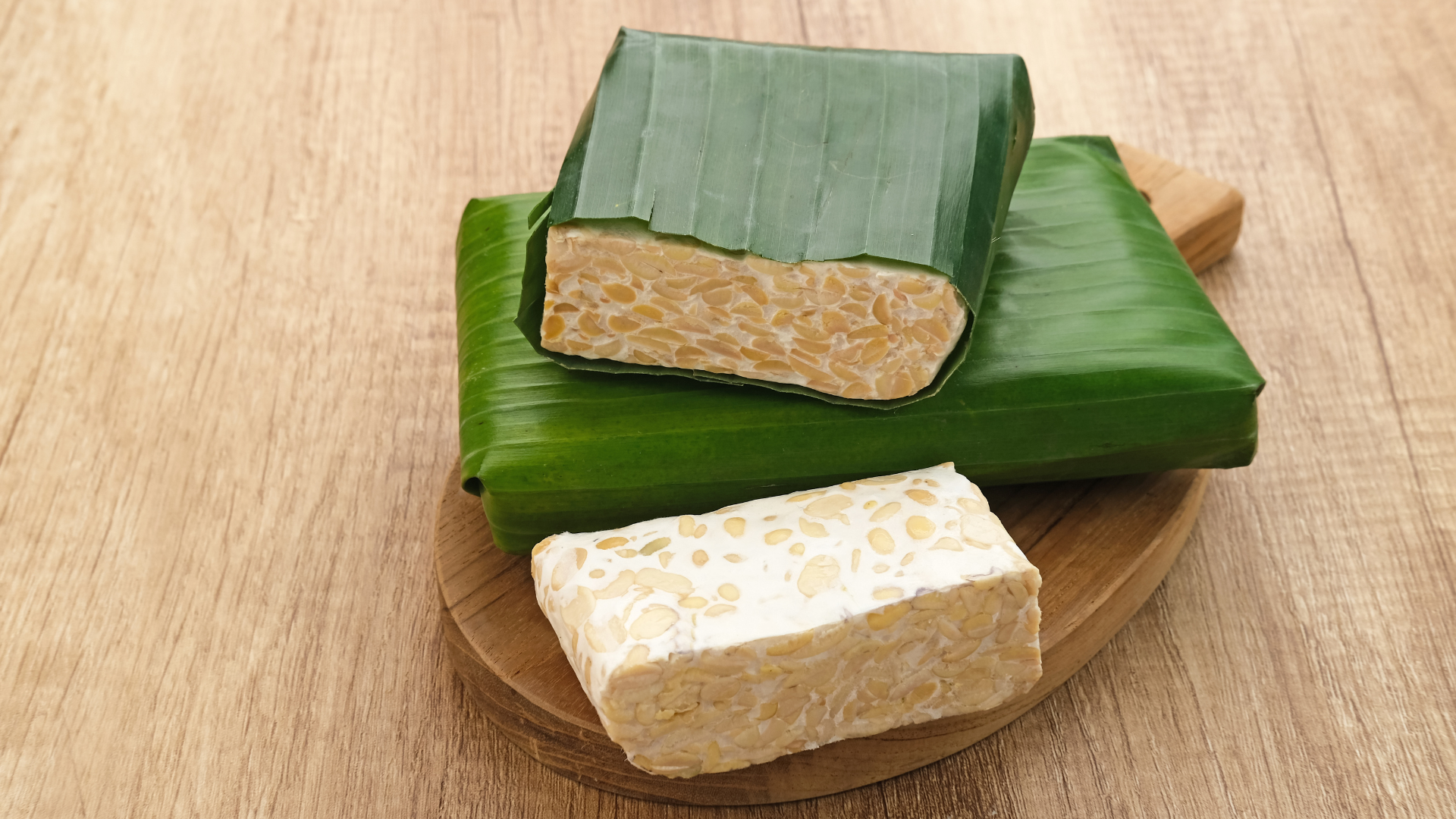
The primary ingredients are soybeans, though some recipes use other legumes, and Rhizopus mould spores to initiate the fermentation process.
The process for producing tempeh is as follows:
- Soaking and dehulling: Soybeans are soaked to soften them and then dehulled to remove their husks.
- Cooking: The beans are boiled to eliminate unwanted bacteria and prepare them for fermentation.
- Inoculation: After cooling, the beans are mixed with Rhizopus mould spores.
- Incubation: The mixture is spread into a thin layer and incubated at a warm temperature (around 30°C, or 86°F) for 24–48 hours. The mixture can also be wrapped in banana leaves in lieu of an incubator. During this time, the mould grows, binding the beans into a firm cake.
Once fully fermented, tempeh has a firm texture and a distinct nutty aroma, and it’s ready to be cooked or stored.
Nutritional Value of Tempeh
High in protein and packed with essential vitamins and minerals, Tempeh is one of the best protein sources for plant-based dishes.
A 100 g serving of soy tempeh provides the following nutrients:
166 kcal / 697 kJ
20.7 g protein
6.4 g fat
6.4 g carbohydrate
5.7 g fibre
3.6 mg iron
120 mg calcium
70 mg magnesium
200 mg phosphorus
Popular Southeast Asian Tempeh Dishes

One of the most beloved tempeh dishes in Indonesia is tempeh goreng. Preparing it involves slicing tempeh into thin pieces; marinating them in a mixture of garlic, coriander, turmeric, and salt; and deep-frying the pieces until golden brown. The result is a crispy exterior and a tender interior, and the slices are often served alongside rice and sambal, a spicy chilli paste. Tempeh goreng showcases the versatility of tempeh and its ability to absorb flavours.
Other Notable Dishes:
- Tempe bacem: Tempeh is simmered in a sweet and savoury broth made from palm sugar, garlic, and spices and then fried to caramelise the exterior.
- Tempe orek: Stir-fried tempeh pieces are cooked in sweet soy sauce with shallots and chillies, offering a balance of sweet and spicy flavours.
Note that in the Indonesian language, “tempeh” is spelled without the “h”.
Tempeh as a Versatile and Affordable Plant-Based Option
Tempeh is a testament to Indonesia’s rich culinary heritage, offering a nutritious and sustainable protein source that has stood the test of time. Its unique fermentation process not only enhances its nutritional value but imparts a distinct flavour and texture. As global interest in plant-based food grows, tempeh’s versatility and health benefits make it an increasingly popular choice for those seeking animal-free protein sources. Embracing traditional dishes like tempeh goreng is a great way to appreciate this remarkable food’s cultural and nutritional significance.