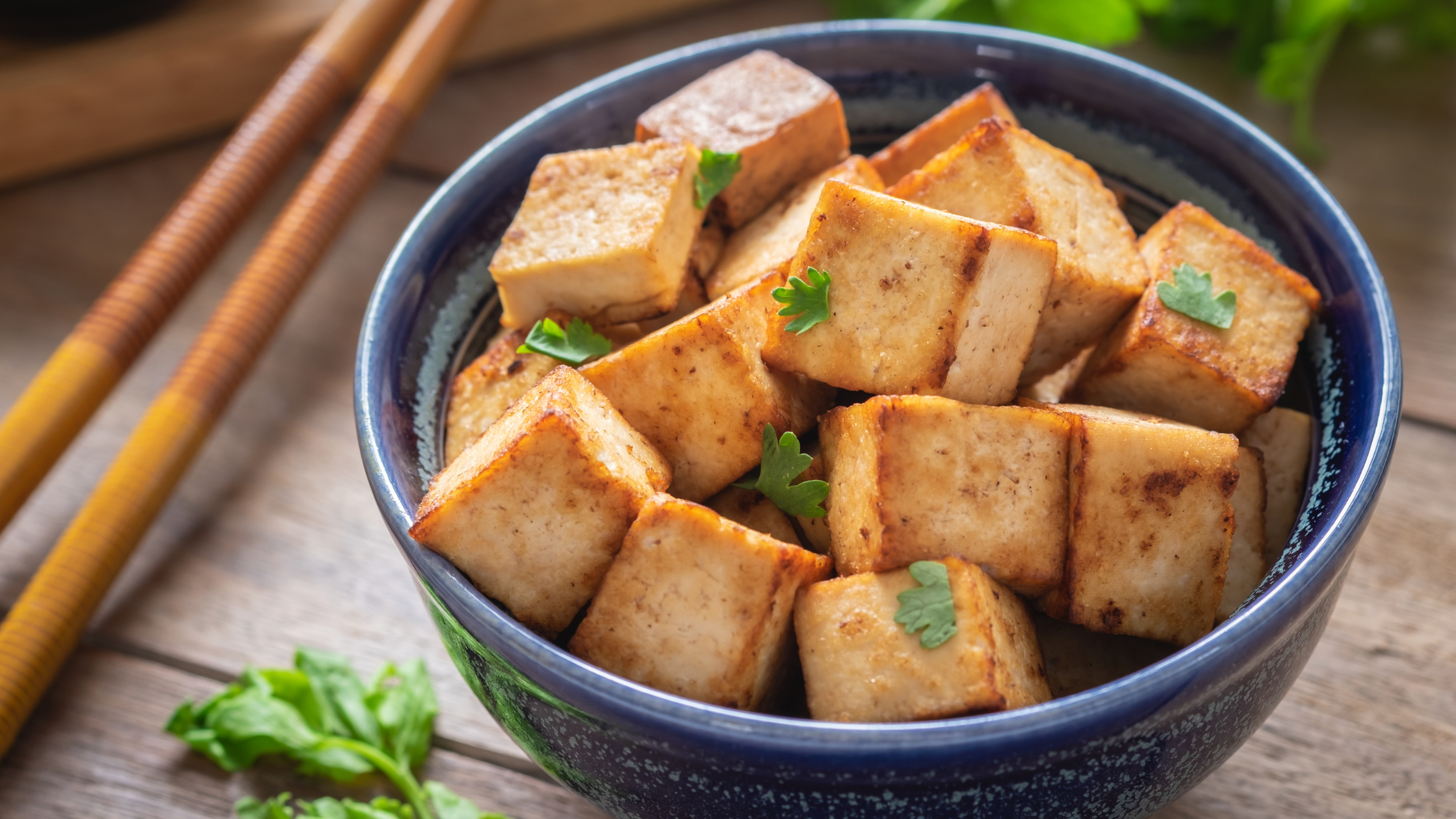
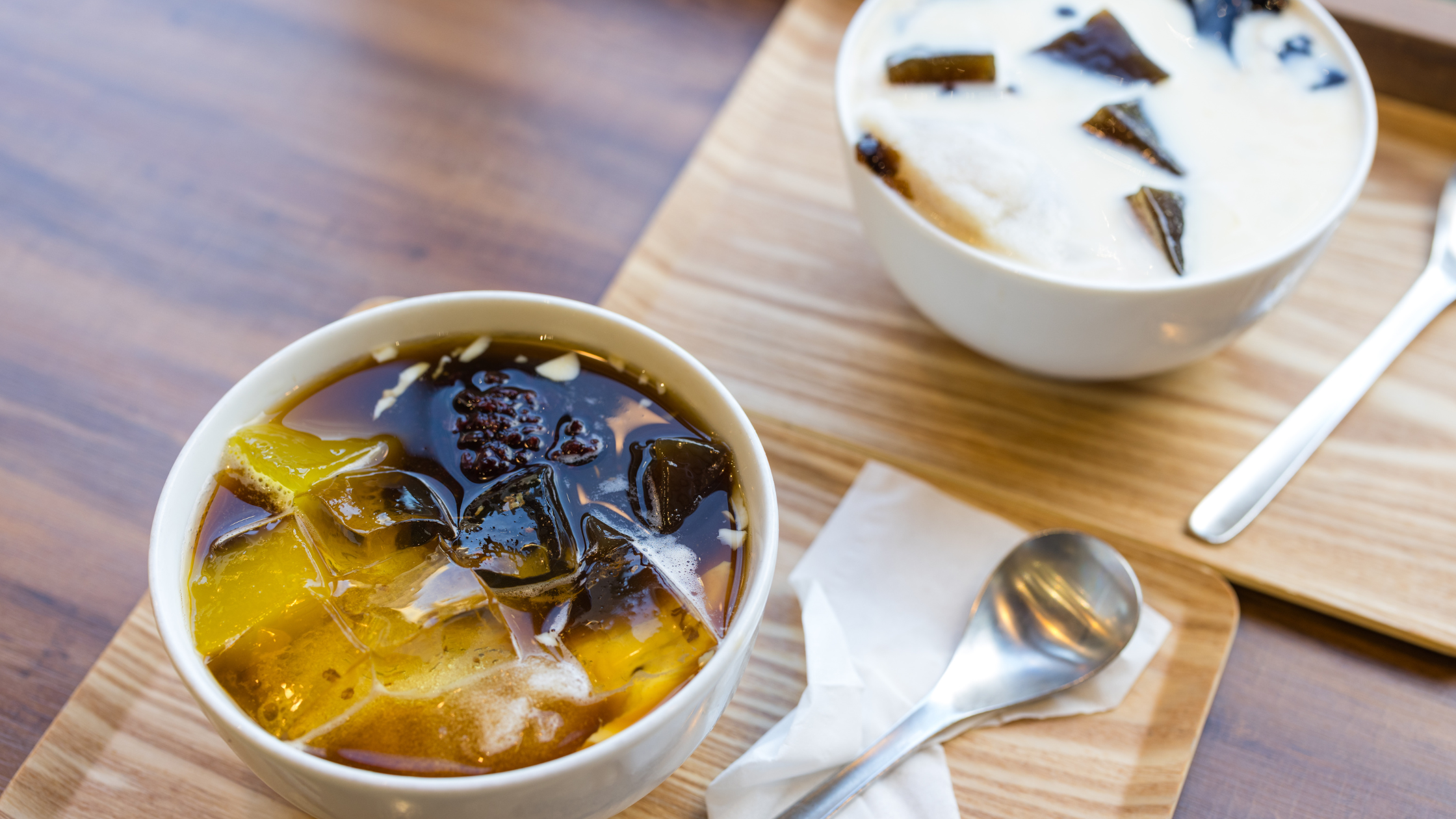
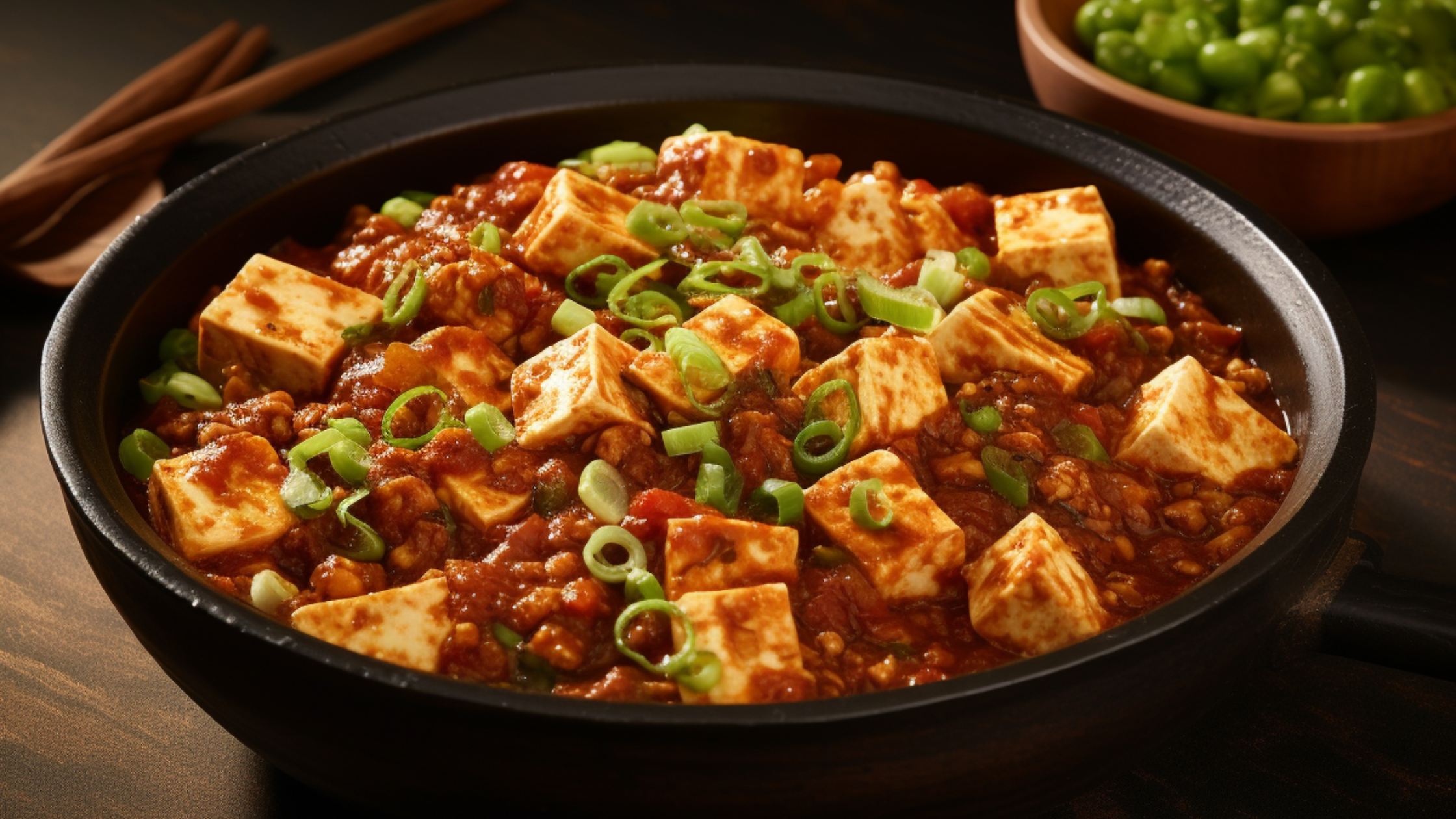
Tofu—known locally as tauhu—is widely used in Malaysian dishes such as lontong, vegetable curry, and fried noodles, and it’s the star of favourites like tauhu sumbat (stuffed tofu) and the local dessert tau fu fa, or soybean pudding. Suffice to say, tofu is accessible and familiar in Malaysian culture. Because of its prevalence, eating plant-based in Malaysia has never been easier! In this article, we explore what tofu is, how it’s made, its nutritional value, and its environmental impact.
What Is Tofu?
Originating in China over 2,000 years ago, tofu has long been integrated into Southeast Asian cuisine. Also known as bean curd, tofu is made by coagulating soy milk and pressing the curds into blocks of various densities—from silken to extra-firm.
How Is Tofu Made—and How Processed Is It?
Tofu is made of soybeans, which are soaked and ground in the first processing step. The ground soybeans are then filtered and boiled to become soy milk. Mineral coagulants, such as calcium sulfate or nigari, are added to curdle the soy milk. Lastly, the product is pressed, drained, and shaped into blocks.
The basic process can be simplified as this:
Soybeans ⟶ Soy Milk ⟶ Curds ⟶ Pressed Tofu
While tofu is technically processed, it remains a whole-soy product. Compared with textured soy protein and many plant-based meat products, tofu is minimally processed.
Nutritional Value
Tofu is a complete protein source. It contains all nine essential amino acids, which makes it an exceptional plant-based protein. It has phytochemicals such as isoflavones and is linked to heart health, bone health (especially when set with calcium), reduced risk of breast cancer, and metabolic benefits like cholesterol reduction. Dietitians highlight tofu as undervalued and akin to eggs or salmon in protein per serving.
Tofu Protein Content by Type
- Silken: 4–6 g per 100 g
- Soft: 5–8 g per 100 g
- Firm: 8–12 g per 100 g
- Extra-firm: 10–15 g per 100 g
Typical Nutrient Profile (per 100 g firm tofu)
- Calories: ~144 kcal
- Protein: ~10 g
- Calcium, iron, manganese, copper, selenium, phosphorus, magnesium
Environmental Impact of Tofu
Greenhouse Gas Emissions
The production of tofu emits less greenhouse gas than that of beef; 1 kg of tofu produces 2–3 kg of CO2eq, whereas the same amount of beef produces 82–85 kg of CO2eq.
Land and Water Use
In general, plant-based proteins require far less land and water to produce than animal-based ones. Raising animals for food accounts for 80% of global agricultural land use (for grazing and feed crops) and 30%–40% of agriculture’s freshwater use.
Tofu has a much smaller land and water footprint than animal products. Generally, per 100 g of protein, beef requires 164 m2 of land to produce, whereas tofu requires just 2.2 m2. And beef takes about six times more water to produce than tofu.
One study suggests that a global shift to plant-based eating could reduce agricultural land use by about 75% and significantly cut greenhouse gas emissions.
Environmental Caveats
While the production of plant-based protein in general has a smaller environmental impact than animal protein, the danger lies in large-scale soy cultivation. If left unchecked, industrialised soy production can contribute to deforestation, pesticide use, and soil degradation, but these impacts predominantly stem from soy grown for animal feed, not direct human consumption like tofu.
By choosing organic, certified-sustainable, or locally produced tofu, you not only reap the health benefits but also reduce your carbon footprint.
Practical Tips for Eating Tofu
When selecting tofu, look for firm or extra-firm varieties for savoury dishes and silken for smoothies and desserts. Choose non-GMO or organic tofu where available, and always support local producers if you can.
Tofu is as versatile as tempeh. It adapts well to Malaysian spices and sauces, so you can add tofu to stir-fries, curries, and scrambles, or fry it as a snack (tauhu goreng).
For added nutritional value, you may pair tofu with whole grains, legumes, vegetables, and healthy fats to round out a balanced meal.
Start Your Plant-Based Journey with Tofu
Tofu is a nutritious, versatile, culturally familiar food in Malaysia that offers substantial health benefits and markedly lower environmental impact than animal meat.
If you’re ready to embark on your plant-based journey but don’t know where to start, our Jom Makan Veg! guide can help. You will find 12 plant-based recipes, tips for eating out, and meal plans curated specifically for Malaysians.